On significance and how it robs us of lightness, freedom and self-expression


We all want to be signficant – to be someone rather than anyone, to be looked up to rather than looked down on.  And most of us spend our lives striving for significance and in the process we carry a heavy burden – all the time.  The cost of this is huge.  Significance robs us of a lightness in being and the freedom to simply be and do as we wish without worry about how we will be viewed by others.  significance also robs us of the natural way that we learn – by doing, by messing up, by doing again differently, by messing up until we final achieve competence and mastery.

I noticed this in myself recently;  significance is a huge thing for me underneath the surface.  How did I get present to it?  Recently, I have been helping my son to post the local newspaper and this has meant me walking house to house and pushing this newspaper through letter boxes.  First, time I did this I felt uneasy.  Second time I did this I felt uneasy.  And today I did it for the third time and noticed that I was secretly pleased that most of the houses were empty.  Why?  Because I did not want people to see me doing what I was doing: shoving newspapers through doors.  And why did that matter?  Because I had made a story about it: it is a low status activity done by low status people and so forth.

Interestingly, when I saw this I was able to give it up.  When I gave it up I was able to take my time rather than rush and by taking my time I enjoyed the experience.  I actually enjoyed being outside in the sunshine.  I enjoyed looking at the plant and especially the flowers in the different gardens.

I wonder in how many other ways I am being signficant or driven to be significant and so have a loss of freedom, of lightness, of playfulness and simply being fully expressed?  How about you?  Where does this show up for you?  And is the bargain that we have made and continue to make worth it?

Personally, I am up for trading in significance for freedom of being and self-expression.  And there is a long road ahead: addiction, especially when it is so subtle, can be difficult to give up.
The world is only as wondrous as I am open to see the wonder of it


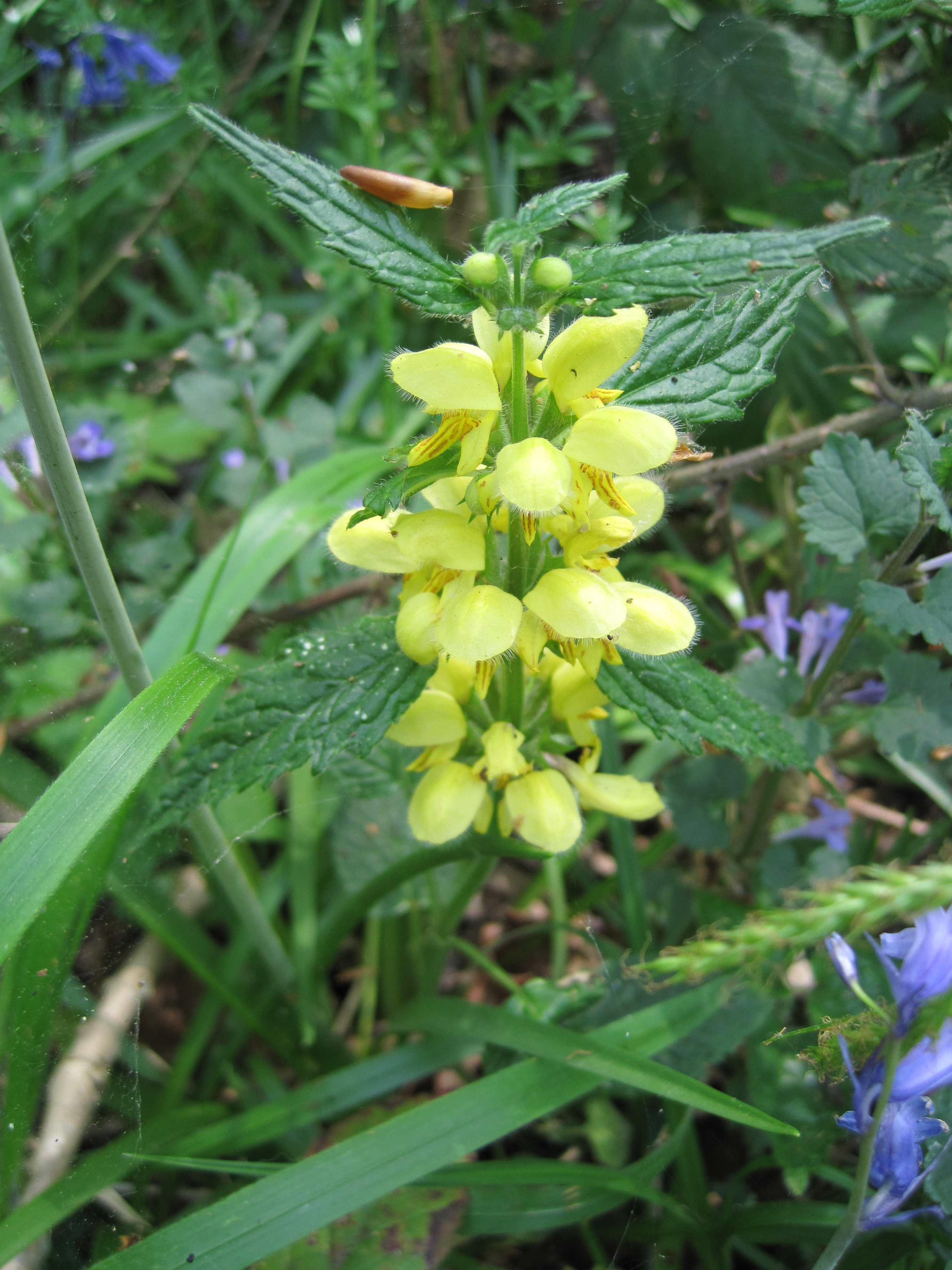
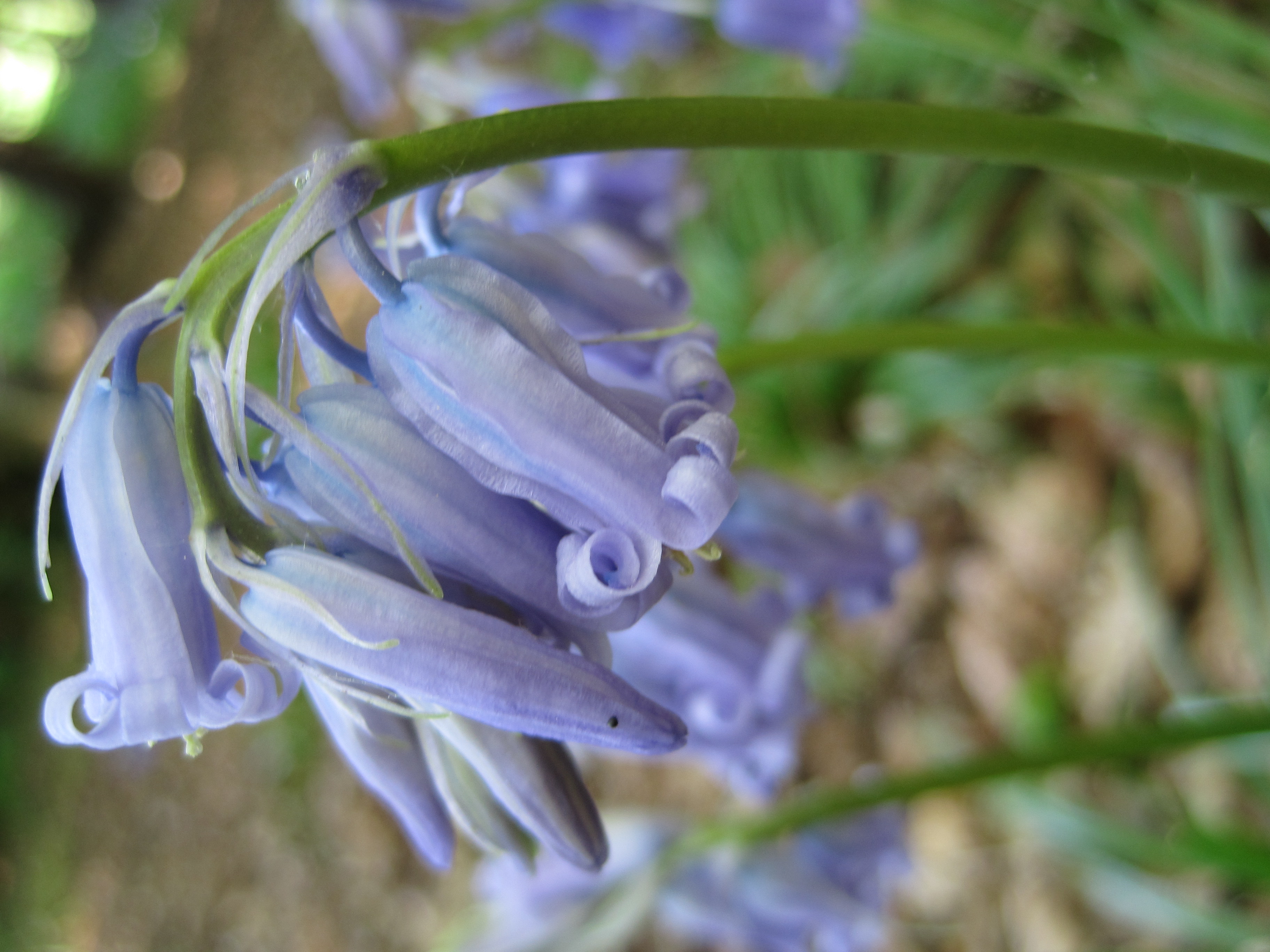
Yesterday, as a family, we went to visit Greys Court for the afternoon.  In total there were five of us and I am confident that each of us experienced the ‘place’ according to ourselves.  Put differently, each of us experienced ourselves.    This became obvious to me as soon as I gave Clea (who is ten years old) a camera and she dived into the world around her. Here are some examples:

a. Where I saw a weed Clea saw a beautiful flower:

b.  Where I saw tiny dying (insignificant) Bluebells Clea marvelled at the wonder of these Bluebells

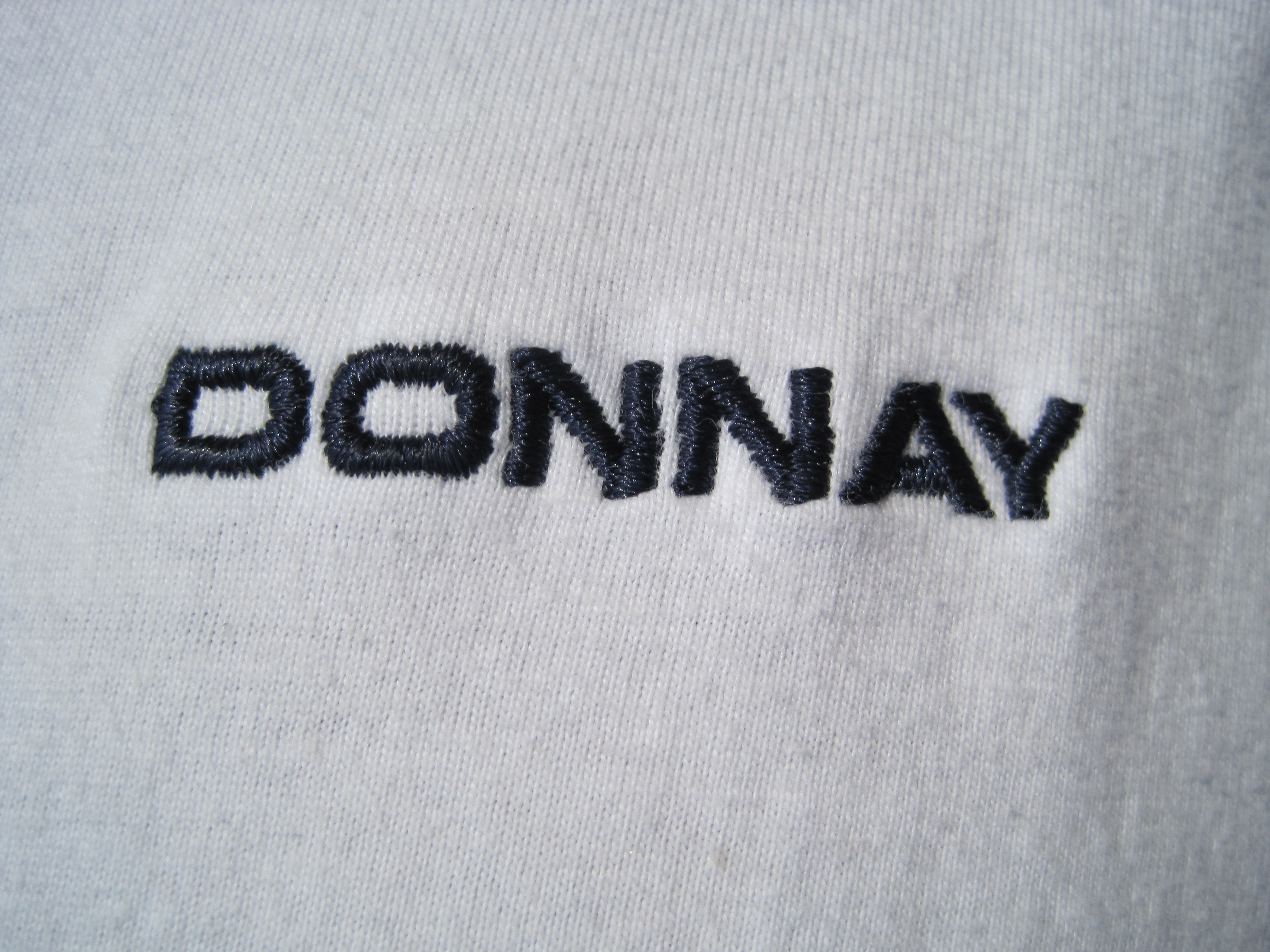
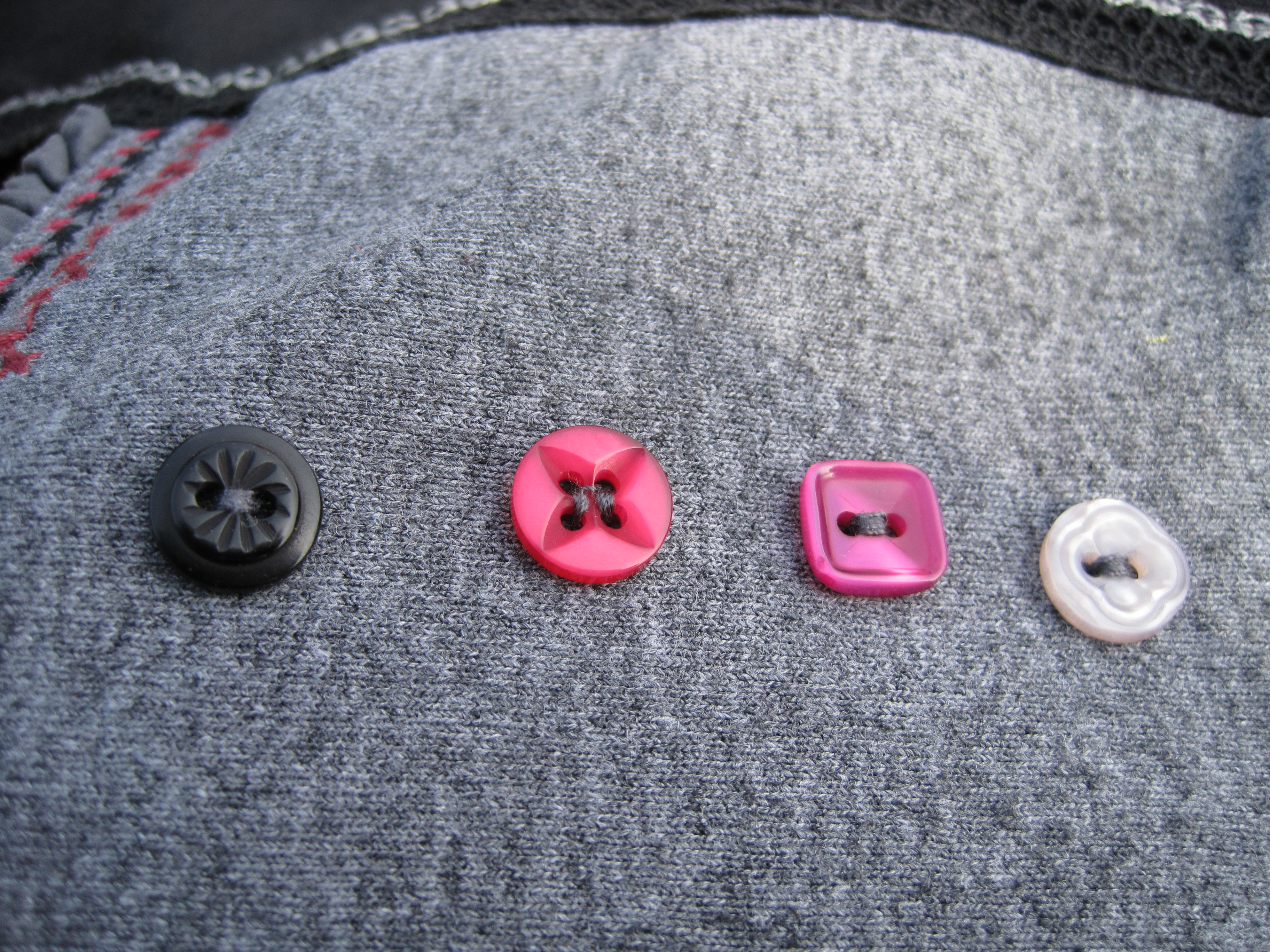
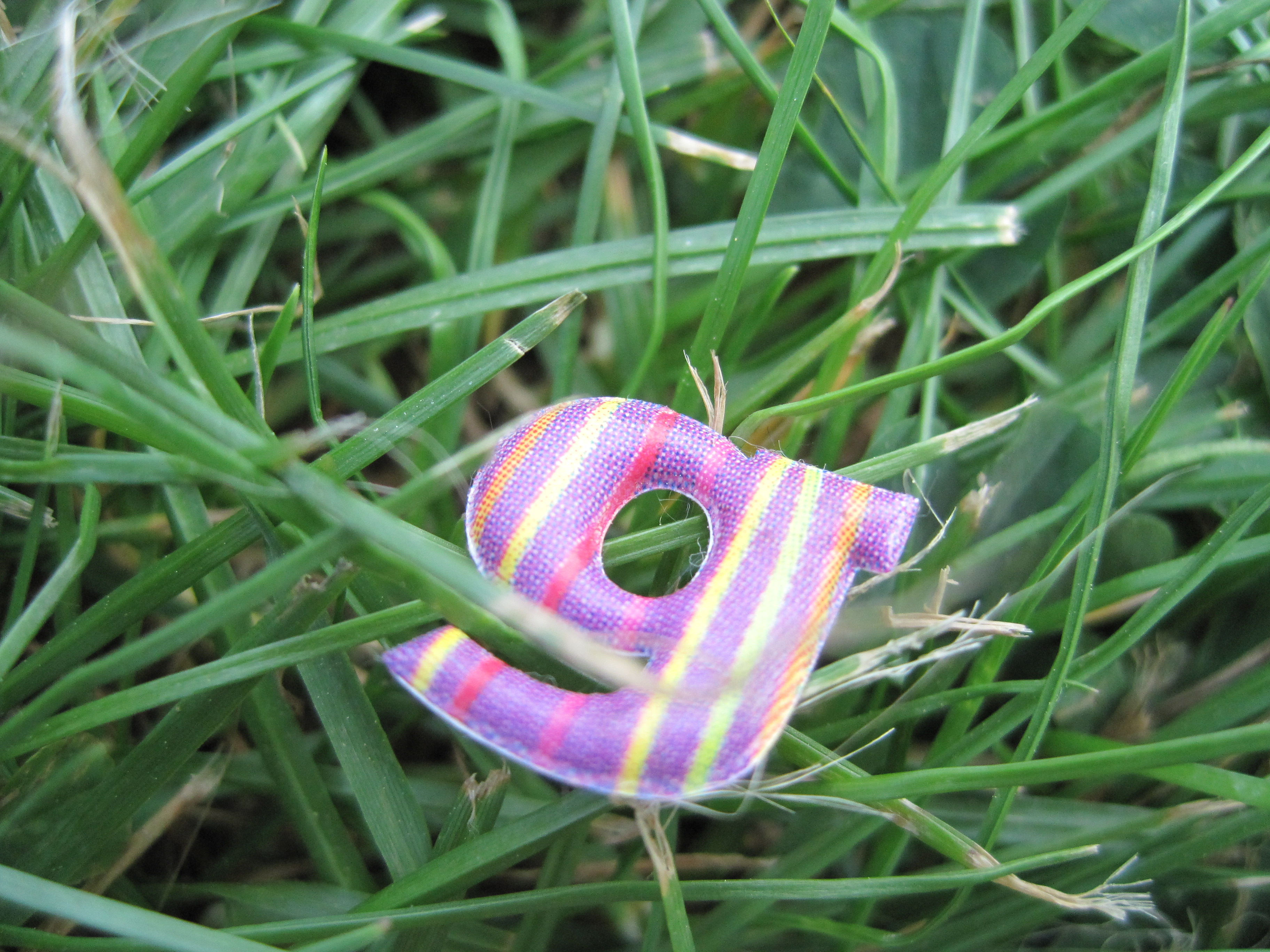
c.  Where I saw nothing Clea saw beauty everywhere – in a T-shirt, in a set of buttons on her mothers top, in the grass:

Lessons Learnt

My already existing, always, way of being is not open to wonder.  It simply is not.  And so I miss the beauty, the wonder, of what is present around me in the simplest things.  If I approached the world, from the context, that my daughter approaches it then I would experience the beauty of the world that she experiences.  I am totally up for that.

I need to start somewhere so I will become an ‘Apprentice in Wonder’ to my Clea by looking at the world through her eyes.  That means giving her a camera so that she can capture what she sees and share that with me.  It also means being open to the new.

I have started a (daily) gratitude journal to enable me to capture one aspect of the wonder/beauty of this world that I simply miss because I do not look for it / am not present to it as I take it for granted.  You can find it here:   http://icanbegratefulfor.wordpress.com/

Beyond ‘looking good’ and avoiding ‘looking bad’: embracing the ‘dark side’


As human beings we are not individuals.  This probably occurs as shocking and offensive statement to many brought up in the USA and the UK.  For people brought up in other cultures like say Japan and even the Mediterranean countries like Spain, Portugal, Italy and Greece this statement is rather obvious.

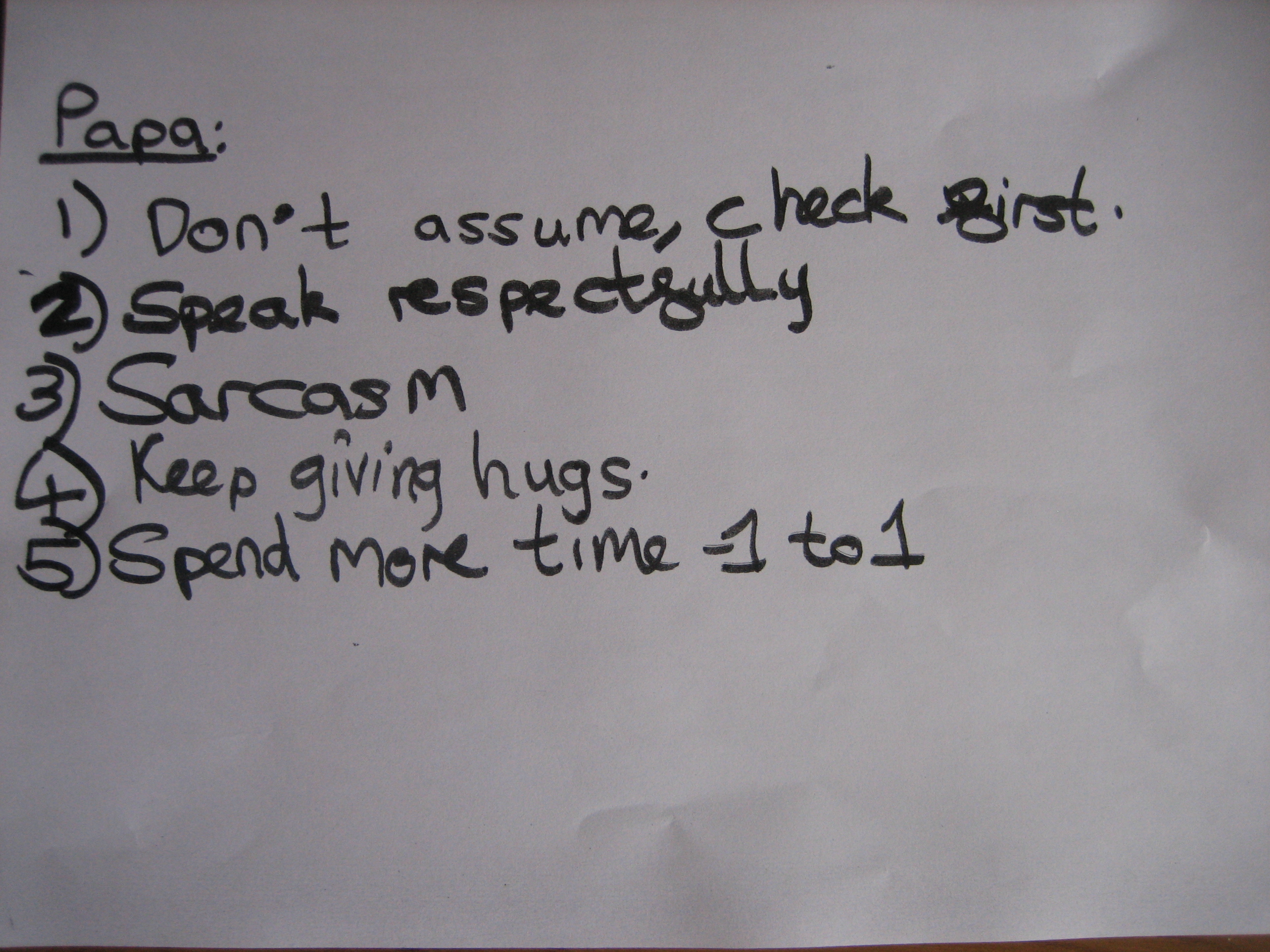
In a nutshell each of us is living in, totally immersed, in a social content and as such we strive to ‘look good’ and avoid ‘looking bad’ in this particular context.  That goes for me too!  So whilst I want to be a wonderful (enlightened, considerate, generous, compassionate, kind) human being, it can be argued that I fail more than I succeed.  This was brought home to me recently when I received the following gift from my son:

PapaNow I can take that many ways.  I have chosen to see this as gift in two senses.  First, it bursts the bubble (I or anyone else may have about me) and thus encourages humility in me.  Second, it shows me the work that there is for me to do.  Specifically:

  • To check and not assume especially when things are difficult or not as I wish them to be;
  • To speak respectfully – at all times, under all circumstances, to all fellow human beings;
  • To avoid sarcasm – which is another way of saying ‘to treat my fellow human beings’ respectfully;
  • To keep giving hugs – which I love to do’ and
  • To spend more 1 to 1 time with my family members.

We all have a dark side. And it loses its hold over us if we accept that is the case, embrace it and work with it.  So I am going to give that a go.

On being wrong or giving up your point of view


I had, in my opinion, a difficult upbringing.  What got me through it was the conviction that my parents (their beliefs, their culture, their practices) were narrow minded and plain wrong.  And that I was right: more open minded, more tolerant, more widely read etc.

Since that time I have made a life out of being right.  I have read on philosophy, psychology, sociology, neuroscience, history, politics, religion etc.  I have spent three months or so reading a whole collection of works to get to grips with Islam (the religion) so that I could prove my parents to be ignorant and wrong.  And of course I did and it felt great.  Yet, it did not help me to build a bond of mutual respect and affection.

It is interesting, for me, to realise that I ended up in consulting.  What are consultants great at?  Being right: we know what you should do, how you should do it, when you should do it, the right process and tools to use.  Put differently, I have made a living out of being right.  And so it is no surprise that the action that I find the hardest is to “give up my point of view” and accept that my point of view is one amongst many, many points of view: specifically that I am too simple to comprehend the complexity and dynamic nature of life.

Then I came across the following TED talk, which I encourage you to watch and listen to:  On being wrong.   Here are some key quotes:

  • Kathryn Schulz: “This attachment to our own rightness keeps us from preventing mistakes when we absolutely need to, and causes us to treat each other terribly.”
  • St. Augustine: “I err therefore I am.”
  • Buddha = Schulz + Augustine: “Ignorance is the root cause of the cycle of existence and suffering.”

If you have not already done so then I urge you to watch the following TED video on empathy: A radical experiment in empathy”.  I recommend that you first watch “On being wrong” and then watch “A radical experiment on empathy”.  Put differently, if I can accept that I may be wrong then it helps me to get the other – to empathise.

I thank my friend Arie for extracting the following from the TED empathy video:

“Step outside of your tiny little world.

Step inside of the tiny little world of somebody else.

And then do it again, and do it again, and do it again.

And suddently all of these tiny little worlds they come together in this complex web.

And they build a big complex world.

And suddenly without realizing it

you’re seeing the world differently.

Everything has changed.”
To sum it all up

Accepting and standing in the circle that “I could be wrong here, how I perceive and think about stuff is only one way of doing so” is the access to not only wisdom but also to empathy and through that to better relationships, more love and joy in our lives and finally a better world.   Then again, I may have got it totally wrong!


Why we all love our friend Shaky


This weekend our friend Shaky popped in and lit all of us up and our home like beautifully laid out lights on a Christmas tree!

Each of my three children love spending time in Shaky’s company.  My wife loves spending time in Shaky’s company.  And I love spending time in Shaky’s company.

What is Shaky’s secret?  Does he have a bag of tricks and techniques?  Has he been to charm school?  Perhaps he has read the latest books on how to build great relationships? The answer is much simpler.

Shaky loves people and he makes you feel special.  How does he do that?

  • When Shaky is with you he focusses on you and does what you want to do, talks about what you want to talk about;
  • Shaky accepts you just as you are and as you are not – no judgement, no evaluation, no criticism, must plain acceptance and validation;
  • Shaky is gentle – he speaks gently, he moves gently;
  • Shaky will enter into a conversation with you and share is point of view yet he will never argue, criticise or condemn your point of view;
  • Shaky never looks towards your wallet – he is always the first one to take is wallet out and pay and we have to fight to pay;
  • Shaky never complains – never complains; and
  • Shaky always offers a helping hand – he never acts like a guest, always like a family member.

We love you Shaky.  We are sad to see you leave our home today.  And we are looking forward to being in your company again.

Finally: I thank you for the gift that you gave me this weekend.  The gift of your friendship and the gift of helping me to better understand myself – and be a better human being.  I look forward to seeing you soon.

I am making progress and there is still much to do


Yesterday evening I celebrated my birthday with wife and children by sharing a meal, talking and generally enjoying being together.  Being fortunate, I simply do not need stuff so my request is simply for family members to write a personal card and give it to me.

This year not all the family members ‘got their act together’ and provided those cards (3 did, 1 did not) so I asked them to point out my positive qualities – what they like about me.  This is what I heard:

Wife:

  • “You are caring”
  • “You can be funny”
  • “You are straight  with people”
  • “When you realise you have made a mistake, you admit it and apologise”

Daughter:

  • “Loving”
  • “Good at helping me deal with problems – you help me make sense of my problems, you provide good suggestions”
  • “Willing to give lots of hugs and ticklish; you give me lots of attention; you tell me stories and explain the life lessons; you lend me your clothes”
  • “Always up for going for a walk to the park with me”
  • “Always call us when you are away from us due to work”
  • “You can be funny”
  • “You give me hugs in the evening”

Youngest Son:

  • “Loving – emotionally open and expressive unlike many dads: you give me hugs”
  • “You stand up for me and with me; you trust me”
  • “I love your driving – you make it fun”
  • “Your dancing”
  • “You make the most of your life; I enjoy our walks together”
  • “Streaks of wisdom etched on your face as a result of your hard work”

Oldest Son:

  • “No bullshit – you are straight talking”
  • “Hard for things to get by you – you are on the ball”
  • “Loving, affectionate”
  • “Over protective – good and bad”
  • “Soft hearted – you have a really warm heart”

I enjoyed listening to this and being reminded of what (about my behaviour) matters to and makes a positive contribution to my family.  Then I asked for the negative qualities – what about me causes them pain, problems or my behaviour they simply dislike.  This is what I heard:

Wife:

  • “Impatient”
  • “Defensive, can become critical and talk down to people”
  • “Like to be right – don’t like being questioned”

Daughter:

  • “Overprotective – sometimes and rarely”
  • “Soft hearted – you will not say no even when it hurts you to do stuff we are asking for you”

Youngest Son:

  • “Impatient”
  • “When I hurt myself you tend to be critical (serves you right you should have been paying attention) rather than sympathetic”
  • “Sometime you cut me off – don’t allow me to say what I want to say  – making me feel that you treat me like an animal”

Oldest Son:

  • “You run away from problems and conversations that you find difficult (family conflicts) – you never really sort them out”
  • “Over protective: you rush downstairs when you hear us shouting – you assume we are fighting!”

What I take away from this

A little while ago, perhaps at the beginning of this blog, I wrote: “On violence in day to day living” .  Well, it looks like I really have not made that much progress on taming my violence towards my family.  Now I have a choice: I can feel bad about myself; I can give up; I can be with what is and simply accept it; or I can use what I have learned to re-commit to being a peaceful person and incorporate practices into my daily living to help me with that.

After careful consideration I choose to live in the possibility of being a peaceful, calm, person no matter what the circumstances.  And this possibility inspires me and puts a smile on my face –  that lets me know that I have chosen the right path.

A final word

Aldine, Rohan, Marco and Clea – I thank each of you for being a part of my life.  I thank you for sharing yourselves with me on my birthday.  I thank you for being honest with me.  I thank you for loving me and believing in me.  All these things make a HUGE difference to me.  Please know that I love each of you deeply – even if that is in my own imperfect way.

Health is everything: it is the ultimate wealth and most of us are simply oblivious to it!


For most of my life I have taken my health for granted.  I simply assumed that everything would work and work fine till the end of days despite the fact that my father has suffered two strokes and is partly paralysed and cannot take care of himself.  I rested in this assumption simply because I have been eating the right foods and in moderation.

Recently I have been caught completely by surprise.  First there was the shock of learning that I have to take a thyroid replacement every day because my thyroid gland is under-active.  Then there was the shock of learning that all my good eating had been to no avail.  Despite being vegetarian and staying away from fatty foods I find that I am genetically predisposed to a high cholesterol level.  Apparently the liver is responsible for some 80% of the cholesterol.  And now I find myself on statins.

Then back in June 2009 I found that my neck was in considerable pain and once all the pills had been taken, the physiotherapy tried and the MRI scan I found that I had a prolapsed disc in my neck and frankly there is nothing that can be done about it that does not risk me being paralysed if things go wrong.  After nine months I had made all the life changes to deal with that so that I lessen the chance of aggravating my neck.

Funny though it may sound, I can cope with that.  How do you cope with the fact that your lower back can seize up such that you cannot even sit?  That is the situation I find myself in: if I sit for more than half an hour I end up experience intense pain and cannot even lift my legs to put my socks on.  What do you do when you cannot sit?  When you can only walk very slowly or simply lie down?  What do you do when you have such an active and curious mind like mine – one that loves to learn?  What do you do when you cannot write – something you have wanted to do for such a long time, have started finally and now enjoy doing it?

I do not have the answers.  I know that is the situation that I find myself in and I am doing my best to live with it.  Sometimes that is simply the situation that you find yourself in and there are no magical answers.  You just have to do the best that you can do.  And still be grateful that things are not worse.  I am grateful that my friends, my family, my loved ones, my home, my business, my community, my neighbourhood has not been washed away in an instant.  And I am grateful that I am not sitting outside in the freezing cold or a large sports stadium – cold, hungry, uncomfortable and wondering if I am being bombarded by radiation.  Can you imagine the Japanese mothers who are, right now, wondering how their babies, their children, will be impacted by the radiation leaking out of the damaged nuclear plant.

My friends, our health is our wealth.  And we should cherish it, be grateful and make the most of it.  I am suffering and my quality of life has deteriorated simply because I cannot sit!  And how many of us take sitting for granted.  Or being able to tie our own shoelaces?


I love to contribute through teaching, education and coaching


This week I got an opportunity to share my enthusiasm and perspective on the field of Customer Experience.  I prepared for it thoroughly and then on the day I just got up and shared my perspective with the natural enthusiasm I have for what I was sharing.  During the event I got to meet people and to learn – both of which I enjoyed.  I believe that I have even made some friends.  Certainly, I have enjoyed hearing that my talk was well received and it made a contribution: the effort was worthwhile!

This whole event reminds me that I have always enjoyed helping others through teaching, education and coaching.

My first memory is that of my friend Thakor asking me to help him with various subjects we studied at school.  I jumped at the chance and shared with him what I knew and helped him to tackle the areas that he was finding difficult.  For his part Thakor taught me to play Chess and had the patience to put up with defeating me 27 times before I won my first game against him!

The second memory is one of sharing my knowledge with a classmate (Andy) at university.  Now the interesting thing is that I did not like Andy – actually he was one of the few that I disliked.  Yet, one of his parents had died in the final year of our degree and he fell to pieces.  So when he asked me for my help, I helped him to the max.  Either he was great and/or my help made a difference because Andy graduated with a first class degree.   And so the story continues.

So the question that comes up is why am I not contributing to my fellow human beings through teaching, education and coaching?  A good question.  Perhaps The Customer Blog that I write is my attempt at doing exactly that.  And perhaps these meditations serve the same purpose when it comes to family and friends.

So my question for you is this: what is it that comes naturally to you, that you love to do, and which you are not doing or not doing as well as you can?

I know that for my son Marco, he is not making people laugh through his impersonations of other people.  It is a gift that he has had since he was little and yet it disappeared for several years.  This evening this gift burst forth and he had his brother and his parents laughing so much that our stomachs hurt.

On what really matters in life


I have always been interested on figuring out what  the right way to live is.  Largely that was due to the fact that I grew up in two cultures that did not see eye to eye and so I was forced to look at life from an early age.  As I grew up I got into world of self-development, psychology and philosophy.  And all I found was that there is broad array of opinion on how to live and most of it is theoretical.

I have often thought that the best way to figure out how to live is to speak to people who are on their way out.  So what do our fellow human beings who are dying wish they had lived/done differently?   Five things:

  1. I wish I’d had the courage to live a life true to myself, not the life others expected of me
  2. I wish I had not worked so hard
  3. I wish I’d had the courage to express my feelings
  4. I wish I’d had stayed in touch with my friends
  5. I wish I’d allowed myself to be happier

Where did these come from?  They come from a lady that worked with / took care of these older folks.  I encourage you to read the full article as it really is worth reading:  Regrets of the Dying

Reality is fine, it is my ideas about reality that cause all the problems


Have you ever noticed that it is not reality itself (what is so) that creates the problems in our lives?

Reality can cause us pain but not problems.  Yet it is our ideas on how I/you/we/ they/ it should be that gives rise to our problems.  We simply forget that reality just is and it can never live up to what we want, when we want it.

So my brother-in-law Simon had is face smashed in playing rugby.  Yet, he never had any problems with that and still does not.  He simply went through what he had to go through to get his face put together.  And he has played rugby for many years after his accident.  He does not blame anyone or anything: it happened, he knew it could happen and so forth.

I also have friends who have divorced and in the process they created many problems for themselves simply by insisting on holding on to their viewpoints, their stories – where they are or were the victims of injustice.  It is the stories that they create which create their pain.  For the reality is simply that they are no longer with the person that they fell in love with.

Where do I sit.  I would love to be like my brother-in-law Simon, yet too often I find myself in the camp of my divorced friends!  That is where mindfulness comes in – when I am mindful I can give  my story and join my brother-in-law and accept reality for what it is and what it is not.

On the beauty of life and living


This week, the sun shone;  joy arose, smiling all over!

This week, saw two birds (one a little red robin) dancing about in my garden; joy arose, smiling all over!

This week, young and old, male and female, laughing and dancing in Egypt; joy arose, tears down my face!

This week, a human being I have met only once touched my life by putting her trust in me and making herself vulnerable; gratitude, respect, joy arose – are present today.

Beautiful smiling face looked right at me and gave me the right of way my path was blocked by a line of parked cars;  delight, joy, gratitude – you see me, you care!

Independence is an illusion. You  (the sun, the birds, my fellow human beings) and I dance in the web of life; relationship everywhere – open your heart and you will experience it.

On relationships or why I simply love Rosemary!


How you ever stopped to really consider what is a ‘relationship’?

Do you think of ‘relationship’ as a  solid object that once created lasts for a long time, perhaps even an eternity?

Do you think of a  ‘relationship’ as being like a holiday – a clear starting and end point and in between there is lots of adventure, excitement, novelty and fun?

Do you think of ‘relationship’ as communication – talking, discussing, debating?

Do you think of ‘relationship’ as a meal around a table – the meal has to be created, the people invited to the table and there is sharing of food and conversation?

I realise that I have thought of my relationship with my wife as rather like an enduring object.  We created that object many years ago and having been created it should simply last.  After all we have been together for some 19 years.

Today, a wise friend (Rosemary) reminded me about an aspect of ‘relationship’ that I had perhaps never realised and if I did do so then I had certainly forgotten it.  She stated “A relationship needs to fed and nurtured”.

Yes, a relationship has to be fed and nurtured.  And that reminded me of gardening.  When I plant a seedling it needs lots of attention in the form of feeding an nurturing (light, water, heat etc).  As the seedling grows into a young plant it still needs feeding and nurturing.  As the young plant grows into a strong and healthy established plant, it still needs feeding and nurturing. All that changes is that the both the volume, regularity and form of that feeding and nurturing.  If you forget this and fail to feed and nurture the plant, even a strong established healthy plant, it will wither and die eventually.

I realise that to date I have had a mistaken picture of some of my closest relationships.  Thinking that they are now well established plants, I have mistakenly assumed that they no longer need to be fed and nurtured – they can look after themselves.  Thankfully, these relationships are not dead, simply withering and looking for some tender care.  That is my commitment: to give that care in the form of regular feeding and nurturing.

Thank you Rosemary for awakening me from my sleep!

Beyond No: How Can I Help You Achieve What You Really Want?


I play the role of father to three children and of husband to my wife and from time to time they ask me to do things for them.

Rarely do I say “no” and leave it just at that.  I often will say no in a way that shows either contempt, frustration or anger with the person making the request of me.  If that is not destructive enough I accompany my “no” with some kind of reasoning that suggests that I am saying “no” because of some noble motive or because I believe that their request is not in their self-interest.

The other day when I did that I had a flash of insight:  despite what I say, the real reason I say “no” is because I just do not want to do it – usually for purely selfish reasons.   It could be because I am busy and want to take care of my stuff, it could be because I am in a lazy mood, it could be that I figure out that it would act against my needs….

Then I got that even where there is a good reason for saying no – such as not letting my ten-year old wear make up – it is possible to approach each request with the following attitude: “how can I help you achieve what you really want?”

For example, my eldest son has been ‘pestering’ me to get his uncle to give him photos and details of the stuff his uncle wants him to sell on ebay.  My response to this ‘pestering’ was to become irritated with him and tell him off.  Then I asked myself the question “how can I help you achieve what you really want?”  As a result I have offered to take him to his uncle’s business and then he can take the photos of the items and place them on ebay.

When I have listened with this frame of mind I have found that:

  • My wife simply wants to spend more time with me doing stuff together and there are various ways in which I can make help make that happen;
  • My oldest son often finds himself bored and simply wants to be immersed in real world tasks that involve him in organising stuff, making stuff, buying and selling;
  • My youngest son simply wants reassurance, help with his studies and lots of hugs, affection and kind words as he is a sensitive soul; and
  • My daughter is simply growing up and needs some helpful guidance and lots of love on how to do that growing up.

By moving from simply saying “no” to the immediate request and looking at the need behind it I have found it quite easy to generate compassion and ask myself “How can I help you achieve what you really want?”  And that has been really helpful to my peace of mind.


How I defused anger through laughter


I was with my parent yesterday – enjoying their company in their home.  One minute everything was peaceful and then my father launched his missiles at me:

  • You have disowned our religion;
  • You failed to marry within our own and according to our customs;
  • You have wasted your money and not amassed riches;
  • You have failed to use your intelligence, your promise, and convert this into status for you, me, us;
  • Most of all we had such high hopes for you and you have abandoned us in our old age.

Ordinarily I’d get upset and walk out and go for a walk.  Occasionally, I have launched my own missiles back at him.  This time for some strange reason I just laughed.  It started with a small laugh and I enjoyed that so much that I laughed more.  And then more and more until my stomach was hurting from the laughter.

Then the most amazing thing happened: my father started laughing.  And so there we were the two of us laughing together.

What was the source of my first laugh?

At some level I got that this was my father simply being my father rather like a rhinoceros being rhinoceros.  And when I got this I started to laugh at my own stupidity:  look I was about to get upset with my father for being himself, how foolish.

“The greatest gift in life is the ability to help another human being”


In a world of 6 billion+ people I do not stand out and I am totally ok with that; I prefer to drive the Honda rather than the Mercedes.

Looking at my life I can honestly say that I have never have been the smartest, the most ambitious, the most charming, the best looking, the most athletic, the most generous, the best conversationalist, the most visionary, the best at promoting myself, the most ruthless, the boldest or anything else like that.

The only thing that I can say about myself that I am proud of is that I am kind-hearted.  That I have taken advantage of opportunities to help my fellow human beings.  That I have turned down opportunities to exploit my fellow human beings.  And that my circle of concern extends beyond human beings to include animals and plants – life itself.  I strive to live by the golden rule: to treat people as I would wish to be treated if I were in his / her shoes.

My most memorable moments are those where I extended a helping hand.  And that is perhaps why when I read the local newspaper I was touched by the following quote by a quadruple amputee who runs a Limbcare ( a charity he set up):   “The greatest gift in life is the ability to help another human being”.

It could also be the reason that one of the events that causes me the most pain is the memory of failing to do the right thing when I was some 12 – 14 years old.  When an old blind lady stopped me and asked me for directions, I stopped and supplied them.  Yet after I had left her to find her way to her destination, the inner voice told me that I had failed to do what I know was the right thing to do: to hold her hand and walk her to her destination.

On how I avoided the warm embrace of conflict


This morning I wanted to study and I chose the kitchen as it was the most suitable place.  I would have preferred to do it in the lounge and yet that was taken by daughter who was watching television and my wife who was doing some ironing.

Just to mentally move from my favourite place, the lounge, to the kitchen I had to give something up.  Specifically, I had to give up the idea that as I pay the bills then I should get to call the shots.  That I am entitled to have the lounge irrespective of the wishes of ‘others’.

About twenty minutes into my studying my youngest son came into the kitchen – he had slept in – and joined me at the breakfast bar.  I did not mind this as there is more than enough space.  Then he did, what he always does: he started singing.  I noticed that his singing distracted me and I did not like it.  Yet, I did nothing.  My son continued singing and I started to get emotional.   The thought that entered my head was along the lines of how inconsiderate my son is: does he not get that I am studying?

I tried to put the distractions aside and focus on my studying hoping that my son would soon finish his breakfast and leave.  Well, this son is never in a hurry to get anywhere.  So the point arrived when I had reached my breaking point.  Thankfully I was still in a rational and relatively calm place and saw that I had options.  I could scold my son for being insensitive and disrespectful.  I could just get angry and tell him to leave the kitchen.  I could continue to sit it out in the kitchen.  Or I could simply leave the kitchen – without resentment – and find another room to study in. I chose the last option.

What I took away from this encounter was the following:

  • I had to give up the thinking that said I should get my way because I am the one that pays the mortgage;
  • I had to give the thought that said I am entitled to special treatment in the kitchen because I got here first;
  • I had to give up the thought that I was owed special treatment – silence – by my son;
  • The thought that my son is simply having breakfast where we normally have breakfast came in handy;
  • The thought that my son is simply doing what he loves to do and is often not aware that he is doing – singing;
  • I was attuned to my emotional state and how it was becoming hotter  and took action before it went past the point of no return;
  • I chose to live and let live – to relinquish my ‘claim to the kitchen’ – as that struck me as the most workable solution that would not put a dent in the relationship between myself and my son.

Put differently, the situation itself was not the issue at any time.  The cause of conflict was primarily my thinking about how things should be and how I should be treated by reasonable family members.  When I gave up that thinking and embraced better thinking I solved the issue with no conflict, no damage to anyone or any relationship!

On speaking


As human beings we speak.  Some even argue that language is what sets us apart – makes us uniquely human.  Yet, it is a gift that most of us are born with and simply take it for granted.  Very few of us really think about this gift and how best to use it.  It kind of reminds me of the community that I grew up in – the muslim community.  Almost everyone was born into and embraced the rituals yet almost no-one had any knowledge or understanding of the genesis of Islam nor the social reform and human centred values that were the foundations of Islam.

So we have a gift – this ability to speak with our fellow wo/man and be understood if we speak the same language.  Now the question is what frame can we put around this gift of speech, of communication?  More importantly, what is the most beautiful use of this gift?

When it comes to frames we have many choices. We can simply put no frame around it and continue as we are: spraying our words all over the place, they land where they land, they have the impact that the have.  We describe stuff, we make up explanations, we complain, we criticise, we gossip behind each others backs, we make up lies, we provide directions, we command, we compliment, we give form to our dreams and so forth.   This is the hidden, taken for granted, frame which gives form to our speaking.

I’d like to suggest a very different frame.  What if each of us, even most of us, were to view gift of speech in a radically different way?  What if we reserved speaking for creating affinity, affection and connection with our fellow human beings.  For example:

  • we share our likes and dislikes and what we want and need from our fellow human beings instead of criticising others – what they have or have not done;
  • giving ourselves and our fellow human beings wings to pursue our interests, ambitions and dreams instead of squelching them out of fear, jealousy or spite;
  • creating affinity and connection with our fellow human beings through acceptance, validation and the generally sharing of our humanity as opposed to creating distance and hatred which is all to common when we criticise, condemn and diminish our fellow human beings;
  • inspiring ourselves and our fellow human beings to bring the best of our humanity – benevolence – into fruit more often in a wider range of situations;
  • providing information – without preaching – that our fellow human beings are likely to find useful in living a good life;
  • to bring into being the kind of world that we want to live as illustrated by the Declaration of the Rights of Man and of the Citizen;
  • talking about and resolving our differences in a way that recognises our need to find solutions that work for us all.

I am suggesting a frame in which our speaking is such that we do not attack, invalidate, exclude and criticise our fellow human beings.  What kind of a world can we create if I was to step into this frame?  And if you were to step into this frame?  And we were to step into this frame?

How about starting the practice, right now, for now to the New Year?  Are you willing to give it a wholehearted go? I am and I hope that you will join me. if you think that this is easy for me then you really do not know me that well!  I have been immersed in the language of criticism from the age of 5 and I mastered it a long time ago.


Learning from Michael Jordan: on success and failure


I have been struggling with that which matters most to me in this life:  my family.

  • Do I care for my wife and children? Yes.
  • Do I want to see my wife and children smiling? Yes.
  • Do I want to give hugs and receive hugs – every day – from my wife and children? Yes.
  • Do I want to just sit and chat with my wife and children?  Yes.
  • Do I want to offer acceptance and validation to my wife and children? Yes.

How am I getting on with all of that?  Badly: I fall down flat on my face often, in fact more than I succeed.  And in the process I have been tempted to give in and there have been times I have given up – at least temporarily.

Recently, I had a big setback and was tempted to give up completely: to accept that fine words are fine and reality is something else.  Just when I was at my lowest the world delivered the following into my lap.  Here is a quote from Michael Jordan:

“I’ve missed more than 9000 shots in my career. I’ve lost almost 300 games. 26 times, I’ve been trusted to take the game winning shot and missed. I’ve failed over and over and over again in my life. And that is why I succeed.”

Michael has a point, we cleave failure and success into two.  Yet, it is possible to look at failure and success as being interdependent.  The key to success is to be on the court (of life) rather than on the stands (as a spectator).  And to use our intelligence to adjust what we do in response to the feedback we get from the world.  To use a tennis analogy, if you are at the back of the court and the opponent keeps hitting winners at the net then it makes sense to move into the net.

Finally, it strikes me that we can choose to look at failure as the first sign that we have taken on a bigger game in life.  We have chosen to go beyond our comfort zone – to expand our boundaries.  And in that we can rejoice.

On our need for safety, security and predictability


Whether we are aware of it or not we strive for predictability because it makes as feel safe and secure.  So we take an inherently messy world and mould it into a shape that makes us feel safe.  We go further and take control of the world through the tools that we have built.  And we think of ourselves as God and we treat this world, this universe as our playground.

From time to time we can do with a reminder of place in this world.

The primary myth of the western world – our omnipotence – has temporarily been shattered by nature: snow and cold temperatures have brought the country to a standstill.  Nature shows her awesome power once again and reminds us of our relatively humble position in the scheme of things.  It reminds me of my Grand Canyon experience many years ago:  just sitting on a rock and gazing into the sheer size and wonder of the Grand Canyon I got my relative insignificance in the scheme of things.

We we are simply guests checking in and out of the game of existence on the hotel called Earth.  And in this game there is only one thing that we can count on: one day we will die.  Everything else is uncertain. Yet so many of us fail to live for fear of dying.  And dying is the only thing that is certain!

The anger and criticism that is spilling out is as much about the illusion being shattered as it is about the frustrations that people are experiencing.


The difference between children and adults


It has snowed heavily and brought many parts of the UK to a standstill.  And it has been interesting to watch how different people have reacted differently to the snow.

Clea, 10 years old, got all dressed up in her ski clothes, searched out her friends who live next door and got busy playing in the snow.  I saw her embracing the snow literally: she was rolling around in the snow and scooping it up.  To her snow occurred as an opportunity to be with friends and play: a gift, an adventure!

My wife, Aldine, is an optimist.  So it was no surprise that even when there was a severe weather she got herself and the children in the car on Saturday morning and drove up to get to her friend Analia’s home.  She did not make it there yet she can hold up her head high.  In the end she is the one that chose not to drive at 25mph and thus face a six-hour journey.

I, being a pragmatic fellow, decided that the snow and cold was a great opportunity to do all the stuff that I had put off – like the accounts and the tax returns.  And to pick up and read a book on swarm behaviour – something that I find interesting.  My approach is best described as: why take the risk when I do not have to take the ris.  Has that been the stance that I have taken in life?  Choosing to be safe, to be comfortable?  In some areas, yes.

Looking more broadly, I notice that adult conversation (especially the media) has been around control.  The snow has disrupted the bubble of control that we take for granted and the adults have not liked that one little bit.  So the conversation has been full of complaint – primarily about those that govern us and their inability to control the world, to bend it to our needs.

Interestingly there has been more indignation and complaint around the country coming to a standstill then there has been about the banks bringing the country to its knees.  There is has been more complaint about being stuck, not being able to get out, to go on holiday then there has been about government policy that has resulted in tens of thousands of people being killed in Afghanistan and Iraq.

It seems that the wonder of children is that they embrace the new, the unknown, and dance with life.  This contrasts sharply with adults who like to stick to the known – a world that runs smoothly, like clockwork, and renders no surprises.  Is it any wonder that so many of us adults are so bored?